Headless CMS Explained: When Does It Make Sense to Choose a Headless Solution?

Headless CMS Explained: When Does It Make Sense to Choose a Headless Solution?
As websites and digital platforms become more complex, new ways of managing content have emerged. One of the most talked-about approaches in recent years is the headless CMS. But what does it actually mean for a CMS to be “headless” — and when does it make sense to choose such a solution?
What Is a Headless CMS?
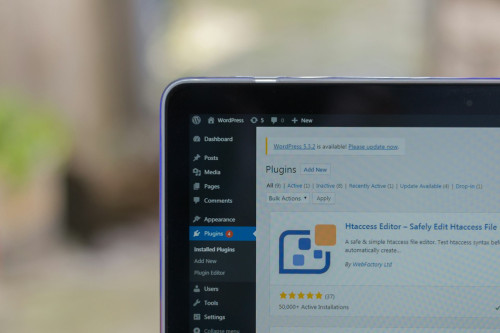
A traditional CMS (Content Management System) like WordPress, Drupal, or Joomla combines two main parts: the backend (where content is created and managed) and the frontend (where that content is displayed to users). These two layers are tightly connected — changes in the backend directly affect how the site looks and behaves.
A headless CMS separates these layers. The CMS acts purely as a content repository, delivering data through an API (often REST or GraphQL). The “head” — the presentation layer — is built separately, typically using modern frontend frameworks like React, Vue, or Next.js. This separation gives developers the freedom to deliver content across multiple platforms: websites, mobile apps, digital displays, voice assistants, and more.
Læs også:


The Benefits of Going Headless
There are several reasons why many U.S. companies and developers are adopting a headless architecture:
- Omnichannel flexibility – Content can be reused across multiple platforms without duplication.
- Improved performance – The frontend can be optimized independently, often resulting in faster load times.
- Scalability – Decoupling content and presentation makes it easier to expand or modify one part without disrupting the other.
- Future-proofing – New technologies can be integrated without replacing the CMS.
- Enhanced security – Since the CMS isn’t directly connected to the public-facing site, the attack surface is smaller.
For content teams, this means they can focus on creating and managing content, while developers have the freedom to craft user experiences tailored to specific business goals.
Drawbacks and Challenges
A headless CMS isn’t always the right choice. There are trade-offs to consider:
- Higher technical complexity – It requires developers familiar with APIs and modern frontend frameworks.
- Limited content preview – Editors can’t always see how content will appear before publishing unless a custom preview system is built.
- More systems to maintain – Since the frontend and backend are separate, both need to be updated and managed independently.
- Higher initial costs – Development can take longer at the start, even though it often pays off in the long run.
Organizations should carefully assess their technical resources and long-term needs before committing to a headless setup.
When Does a Headless Solution Make Sense?
A headless CMS is particularly valuable if you:
- Need to deliver content across multiple platforms — such as a website, mobile app, and digital signage.
- Want complete control over design and user experience without the limitations of traditional CMS themes.
- Have a development team experienced with modern web technologies.
- Are building a long-term digital strategy where flexibility and scalability are key priorities.
On the other hand, a traditional CMS may still be the better choice if you’re running a single website and prioritize ease of use, quick setup, and straightforward content editing.
Popular Headless CMS Options
The headless CMS market has grown rapidly, with a variety of solutions available for different needs:
- Contentful – A cloud-based platform popular among enterprise teams.
- Sanity – Known for its flexible data model and real-time collaboration.
- Strapi – Open source and self-hostable, ideal for developers who want full control.
- Storyblok and DatoCMS – Great options for small to mid-sized projects.
Even traditional CMS platforms like WordPress and Drupal now offer headless modes, allowing developers to use their APIs without relying on built-in templates.
The Future of Content Management
Headless CMS technology is part of a broader shift toward modular, API-driven systems. As users expect personalized experiences across devices, flexibility and integration capabilities are becoming essential.
That doesn’t mean every organization should switch. For many small businesses, a traditional CMS remains the most efficient and cost-effective solution. The key is to choose the system that best fits your team’s skills, infrastructure, and digital ambitions.
Conclusion: Balancing Freedom and Simplicity
A headless CMS offers freedom, scalability, and future readiness — but it also demands more technical expertise and planning. If your organization needs to deliver content across multiple channels and wants full control over the user experience, a headless approach can be a smart investment. However, if your goal is to manage a single website with minimal complexity, a traditional CMS still provides a reliable and user-friendly foundation.
Læs også: