Smart Homes for Everyone: How IoT Makes Everyday Life Easier for Seniors and People with Special Needs

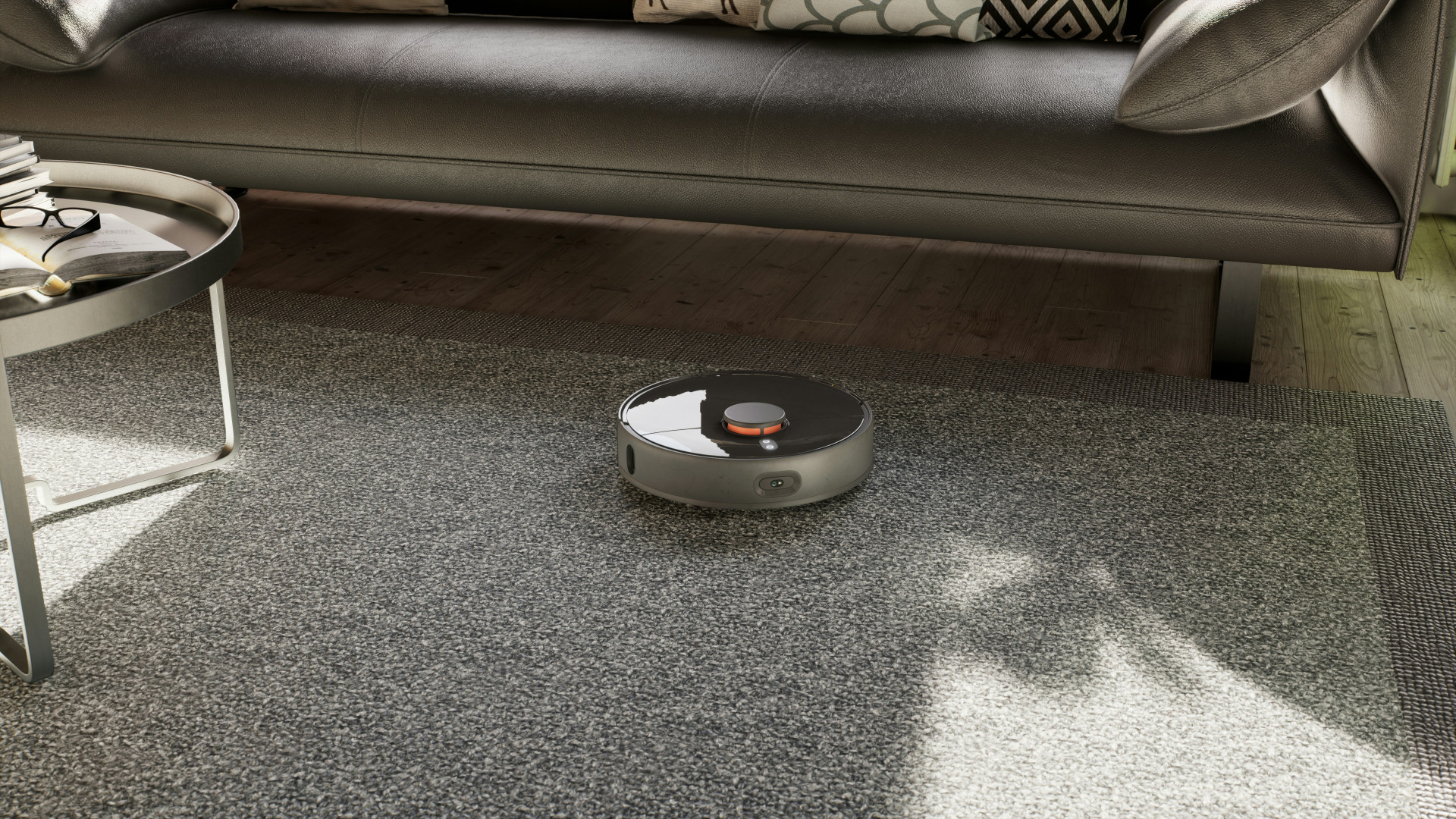
Smart Homes for Everyone: How IoT Makes Everyday Life Easier for Seniors and People with Special Needs
Technology in our homes is evolving at lightning speed. What once seemed like luxury gadgets—smart bulbs, voice-controlled speakers, or connected thermostats—are now becoming everyday essentials. For seniors and people with special needs, however, the Internet of Things (IoT) offers far more than convenience. It can be a path to greater independence, safety, and quality of life.
What Is IoT—and Why Does It Matter?
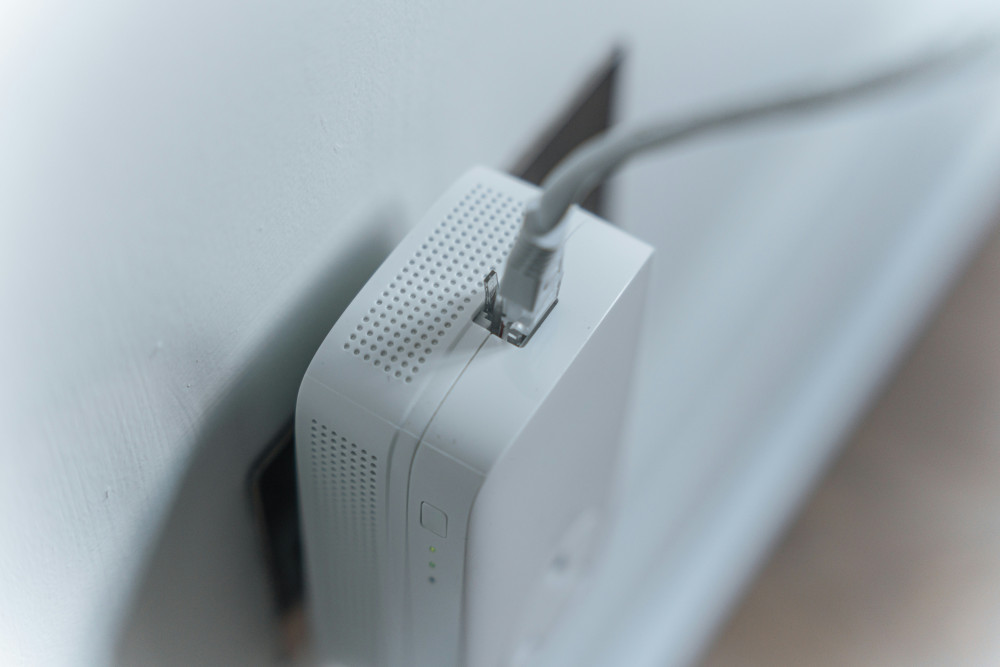
IoT, short for Internet of Things, refers to the network of devices that connect to the internet and communicate with each other. These can include sensors, smart locks, thermostats, cameras, and even medication dispensers. When these devices work together, they create a home that responds intelligently to the resident’s needs—automatically and seamlessly.
For older adults and individuals with disabilities, this means that everyday tasks can become easier, and help can arrive exactly when it’s needed. While technology can’t replace human care, it can complement it in ways that bring both freedom and peace of mind.
Safety Through Smart Monitoring
One of the most common uses of IoT in senior living is safety. Motion sensors can detect if someone has fallen and automatically alert family members or emergency services. Door and window sensors can send notifications if a door is left open at night or if there’s an unexpected entry.
Wearable devices such as smartwatches can track heart rate, blood pressure, and activity levels. If something unusual happens, the system can trigger an alert. This kind of real-time monitoring provides reassurance for both users and their loved ones—and in some cases, it can prevent serious incidents.
Everyday Assistance Without Losing Independence
For many people, a smart home is not just about safety—it’s about maintaining independence. Voice-controlled assistants like Amazon Alexa, Google Assistant, or Apple’s Siri can help turn on lights, make phone calls, or read the news aloud. For someone with limited mobility, being able to control the home by voice instead of moving around can make a huge difference.
Smart kitchen devices can remind users when food is ready or when it’s time to take medication. Automated pill dispensers can release the correct dose at the right time, reducing the risk of missed or double doses. These small innovations can make daily life smoother and help users feel more in control.
Technology Designed for People
When developing technology for seniors and people with special needs, usability is key. A system that requires multiple steps or complex settings can quickly become frustrating. That’s why many companies now focus on universal design—creating products that are easy for everyone to use, regardless of age or ability.
This might mean larger buttons, clear voice feedback, or simple mobile apps with intuitive navigation. The best technology is the kind that blends into daily life so naturally that you hardly notice it’s there—it just works.
Balancing Technology and Human Care
While IoT can do a lot, it’s not meant to replace human connection. In fact, it can free up time for caregivers and family members to focus on what truly matters—personal interaction and emotional support. When routine tasks like temperature control, medication reminders, or safety checks are automated, caregivers can spend more time engaging with the person rather than managing logistics.
Across the U.S., assisted living facilities and home care programs are beginning to adopt IoT solutions. Early results show that these technologies can increase safety, reduce emergency interventions, and improve overall well-being—but they also highlight the importance of proper training and ongoing support.
Læs også:


Looking Ahead
The future of smart homes is advancing rapidly. In the coming years, artificial intelligence will make these systems even more responsive, learning from daily habits to predict needs before they arise. For example, a system might notice if someone is moving less than usual and send an early alert to a caregiver.
But the future isn’t just about technology—it’s about people. A smart home should never feel like surveillance; it should feel like empowerment. When used thoughtfully, IoT can help create homes that are not only connected but compassionate—places where everyone, regardless of age or ability, can live safely, comfortably, and with dignity.
Læs også: