Together for the Win: How Shared Goals Strengthen Unity in Gaming Communities

Together for the Win: How Shared Goals Strengthen Unity in Gaming Communities
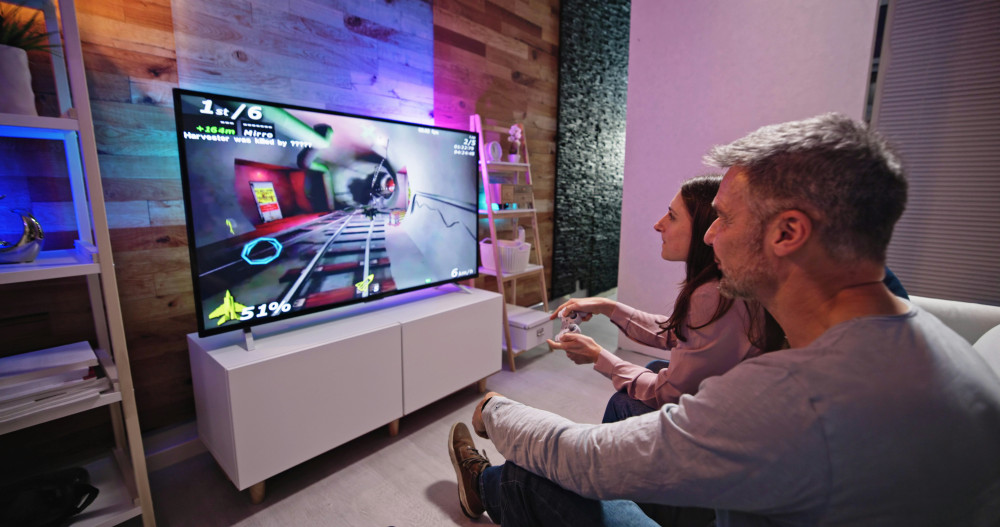
When people play video games together, it’s rarely just about winning. It’s about teamwork, communication, and shared experiences. Across gaming communities in the U.S.—from small friend groups to massive online guilds—it’s the shared goals that often create the strongest sense of unity and motivation. But how does that bond form, and why does it matter so much for the gaming experience?
Shared Goals Give Direction and Purpose
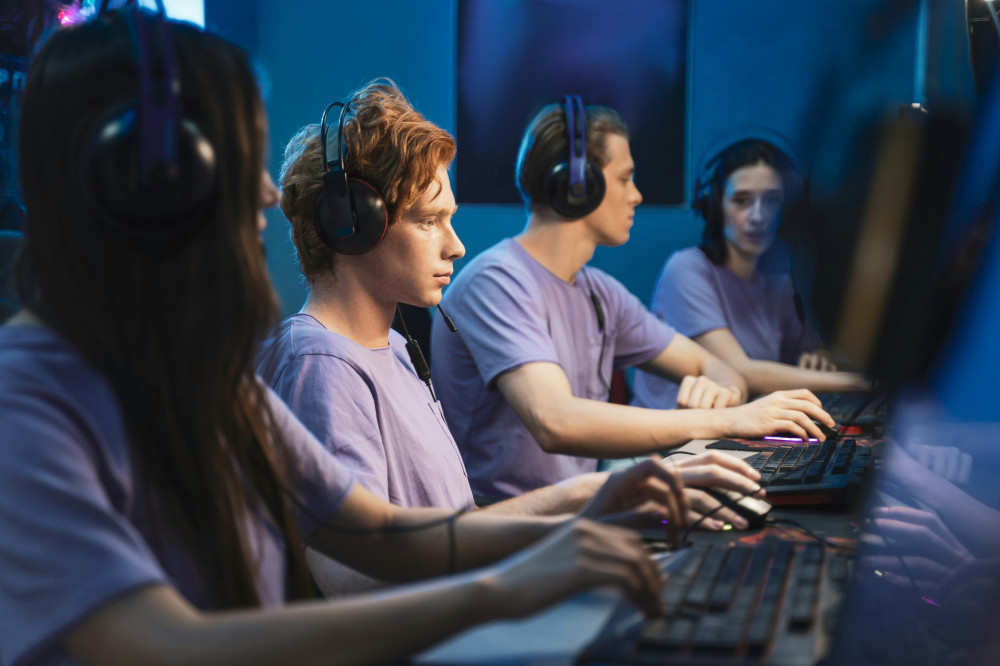
A shared goal gives players something to aim for. It might be defeating a tough raid boss, climbing the competitive ladder, or building something incredible together in a sandbox game. When everyone works toward the same objective, a natural structure and shared language emerge. It becomes easier to coordinate, understand each other’s roles, and celebrate progress together.
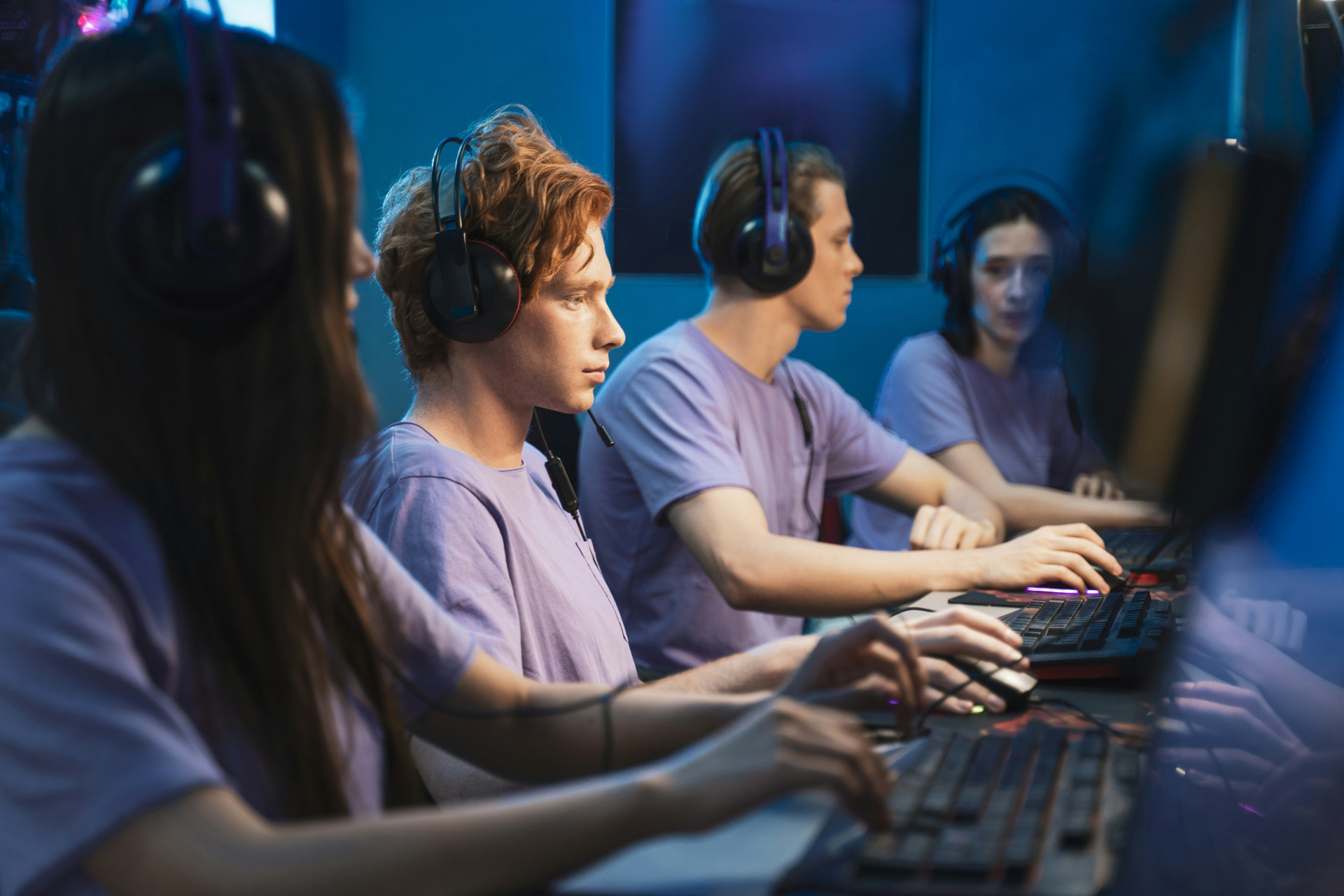
In team-based games like Valorant, Apex Legends, or Fortnite, collaboration and strategy are key. Each player has a role to play, and success depends on everyone contributing. That sense of interdependence builds responsibility and belonging—you’re not just playing for yourself, but for the team.
Communication as the Key to Success
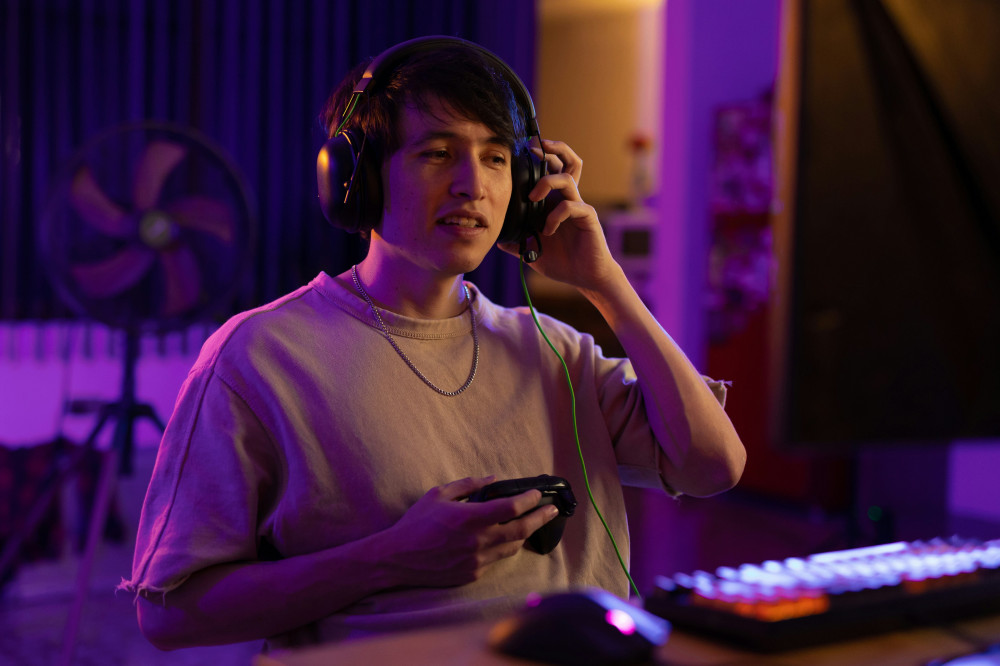
Strong gaming communities are built on good communication. It’s not only about giving commands or sharing information, but also about supporting one another when things go wrong. Teams that communicate clearly and keep a positive tone tend to perform better than those where frustration takes over.
Many players find that teamwork in games helps them develop valuable social skills: listening, taking responsibility, and giving constructive feedback. These are abilities that extend far beyond the screen—useful in school, at work, and in everyday life.
When Community Matters More Than Victory
While winning is often the goal, it’s the community that keeps players coming back. For many gamers, the social aspect is what makes the experience meaningful. It’s where friendships form, stories are shared, and victories—big or small—are celebrated together.
Online spaces like Discord servers, Twitch communities, and gaming clans often become more than just places to play. They evolve into support networks where people connect over shared interests and even help each other through real-life challenges. Gaming, in this sense, isn’t just about competition—it’s about connection and identity.
Challenges and How to Handle Them
Even the best communities face conflicts. Disagreements about strategy, playstyle, or commitment can create tension. That’s why it’s important for groups to have clear expectations and a culture where people can talk openly about issues.
Successful gaming communities often have leaders or moderators who help maintain structure and ensure everyone feels heard. This kind of leadership can make the difference between a team that falls apart and one that grows stronger through adversity.
Shared Goals as a Driver of Growth
Working toward a shared goal helps players grow—both individually and as a group. They learn to plan, analyze, and adapt. It’s a process similar to teamwork in sports or the workplace: you learn to trust others and find strength in diversity.
For many young gamers, this is also a first experience with leadership and collaboration. It’s where they learn to motivate others, take responsibility, and handle setbacks constructively. These lessons can shape how they approach challenges far beyond gaming.
Læs også:


The Bonds That Last
When a team finally reaches its goal—whether it’s a tournament win, a completed build, or a hard-fought mission—the joy is shared. That collective achievement creates memories that last. Shared goals don’t just give direction in the game; they create a sense of belonging that endures.
In a time when much of our social life happens online, gaming communities show that real connection can thrive through a screen. All it takes is a shared purpose—and the willingness to play for each other, not just for yourself.
Læs også: