What Exactly Is IT Operations – and Why Does It Play Such a Central Role in Everyday Life?


What Exactly Is IT Operations – and Why Does It Play Such a Central Role in Everyday Life?
When you check your email, stream a movie, or make an online payment, you probably don’t think about what’s happening behind the scenes. Yet every digital action depends on a complex network of systems, servers, and processes that must run smoothly around the clock. That’s where IT operations come in. Without them, our digital lives would grind to a halt.
What Does IT Operations Actually Mean?
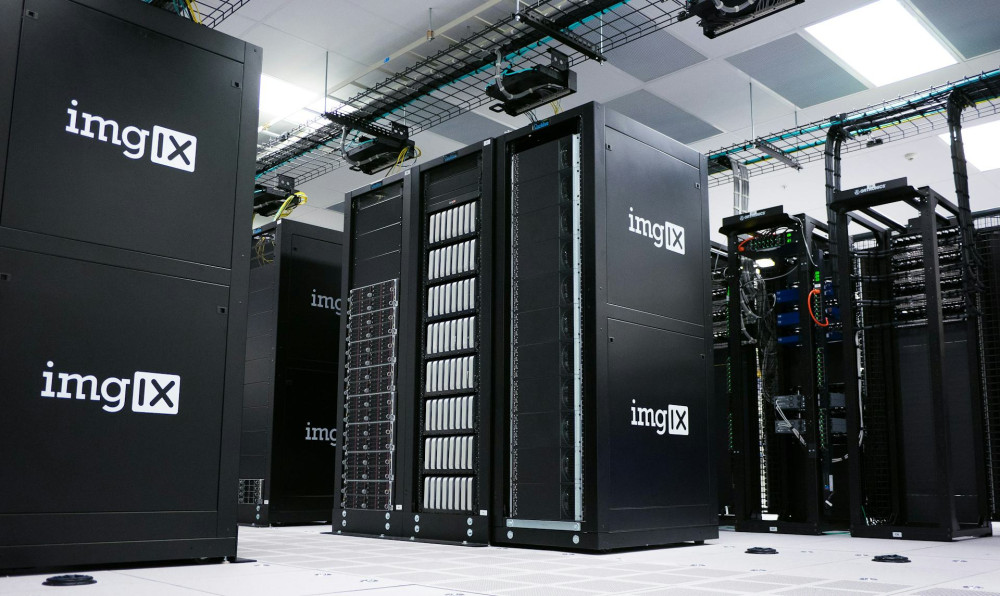
At its core, IT operations (often called IT ops) is about keeping an organization’s technology running reliably, securely, and efficiently. It covers everything from servers, networks, and databases to user support, security, and system monitoring. In short: it’s the practical side of making technology work.
You can think of IT operations as the digital equivalent of a city’s infrastructure. If roads aren’t maintained, streetlights fail, or the water supply breaks down, daily life quickly becomes chaotic. In the same way, IT operations ensure that the digital infrastructure functions—so employees can work, customers can shop, and data can move safely from one place to another.
The Invisible but Essential Function
Most people only notice IT operations when something goes wrong—when the Wi-Fi drops, a system crashes, or a printer refuses to cooperate. But because we depend so heavily on technology, stable IT operations have become a prerequisite for both business and society to function.
In a modern organization, IT operations typically include several layers:
- Infrastructure – the servers, networks, and hardware that form the foundation.
- Application management – maintaining the software and systems employees and customers use.
- Support and monitoring – continuous troubleshooting, performance tracking, and user assistance.
- Security – protecting against cyberattacks, data breaches, and technical failures.
When all these elements work together, users experience a seamless digital environment—and that’s the ultimate goal of good IT operations.
Why IT Operations Have Become So Central
A few decades ago, IT operations mainly meant keeping a handful of computers and servers running. Today, it’s far more complex. Cloud computing, remote work, artificial intelligence, and growing cybersecurity demands have turned IT operations into a strategic discipline.
Businesses now rely on digital systems for everything—from manufacturing and logistics to customer service and finance. A single outage can have major financial and reputational consequences. At the same time, customers and employees expect constant availability: systems must be online 24/7, and data must be accessible from anywhere.
That’s why IT operations are no longer just a technical function—they’re a core part of business strategy. Reliable, secure operations are a competitive advantage, while downtime can be disastrous.
IT Operations in the Age of Cloud and Automation
The rise of cloud computing has transformed how IT operations are managed. Instead of maintaining physical servers on-site, many organizations now rely on cloud platforms from providers like Amazon Web Services, Microsoft Azure, or Google Cloud. This shift means IT teams focus more on managing and monitoring services than on maintaining hardware.
Automation and artificial intelligence are also reshaping the field. Systems can now detect issues, predict failures, and even fix problems before users notice them. This allows IT teams to spend less time firefighting and more time driving innovation and improvement.
Still, even with automation, human expertise remains essential. People plan, prioritize, and ensure that technology supports the organization’s goals—not the other way around.
Security – The Biggest Challenge
One of the greatest challenges in modern IT operations is cybersecurity. Threats are becoming more sophisticated, and the consequences of a breach can be severe. That’s why security is now an integral part of operations, not an afterthought.
IT operations aren’t just about keeping systems running—they’re about keeping them safe. That means regular updates, access control, data backups, and constant monitoring for suspicious activity. A strong operations strategy balances stability, efficiency, and security—three goals that often pull in different directions.
Læs også:



The Role of IT Operations in Everyday Life
Although IT operations may sound technical and distant, they affect everyone. When you swipe your card at a grocery store, book a flight online, or use a government service portal, you’re benefiting from well-run IT operations. They ensure that data flows securely, systems communicate properly, and everything works as expected—even when you don’t notice.
In a world where nearly everything is digital, IT operations have become an invisible lifeline. They connect our daily activities and make it possible for businesses, institutions, and individuals to function in an increasingly complex technological landscape.
The Future of IT Operations
Looking ahead, IT operations will continue to evolve toward greater automation, more cloud-based solutions, and a stronger focus on sustainability. Data centers will need to use less energy, and operations will have to be more flexible and scalable. At the same time, the demand for professionals who can combine technical expertise with business insight will only grow.
IT operations will remain the quiet engine that keeps society running—but as our dependence on technology deepens, its importance will become ever more visible.
Læs også: