From Desk to Couch: How Personal Digital Devices Have Changed Our Work Lives

From Desk to Couch: How Personal Digital Devices Have Changed Our Work Lives
Just two decades ago, most Americans pictured “going to work” as a daily commute to an office, a cubicle, and a desktop computer. Today, that image has changed dramatically. Smartphones, laptops, and tablets have turned nearly any space into a potential workspace — from the kitchen table to the airport lounge. But what does it mean for our work lives when the office follows us everywhere?
From Fixed Office to Flexible Lifestyle
The rise of personal digital devices has made it easier than ever to adapt work to individual needs. Many employees can now log into company systems from home, join video meetings from the living room, and respond to messages while waiting in line for coffee. This flexibility has opened new possibilities for balancing work and personal life.
For some, it’s a dream come true — more freedom, less commuting, and the ability to design a schedule that fits their rhythm. For others, it can feel like being “always on,” with work creeping into every corner of the day. The flexible lifestyle demands new habits and clear boundaries, both from employees and employers.
The Technology That Made It Possible
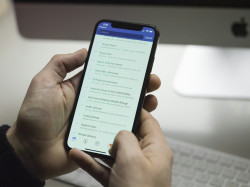
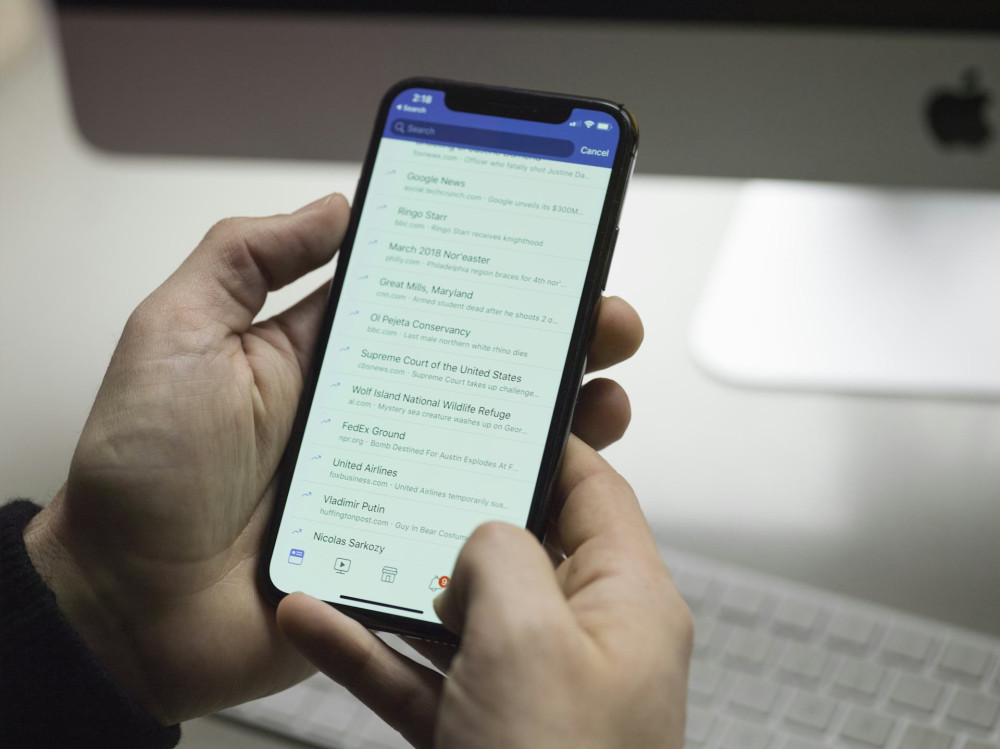
The smartphone was the first device to truly blur the line between office and home. With email, calendars, and collaboration tools in our pockets, it became possible to handle tasks from anywhere. Cloud services, video conferencing, and chat platforms like Zoom, Slack, and Microsoft Teams have since made remote collaboration not only possible but efficient and social.
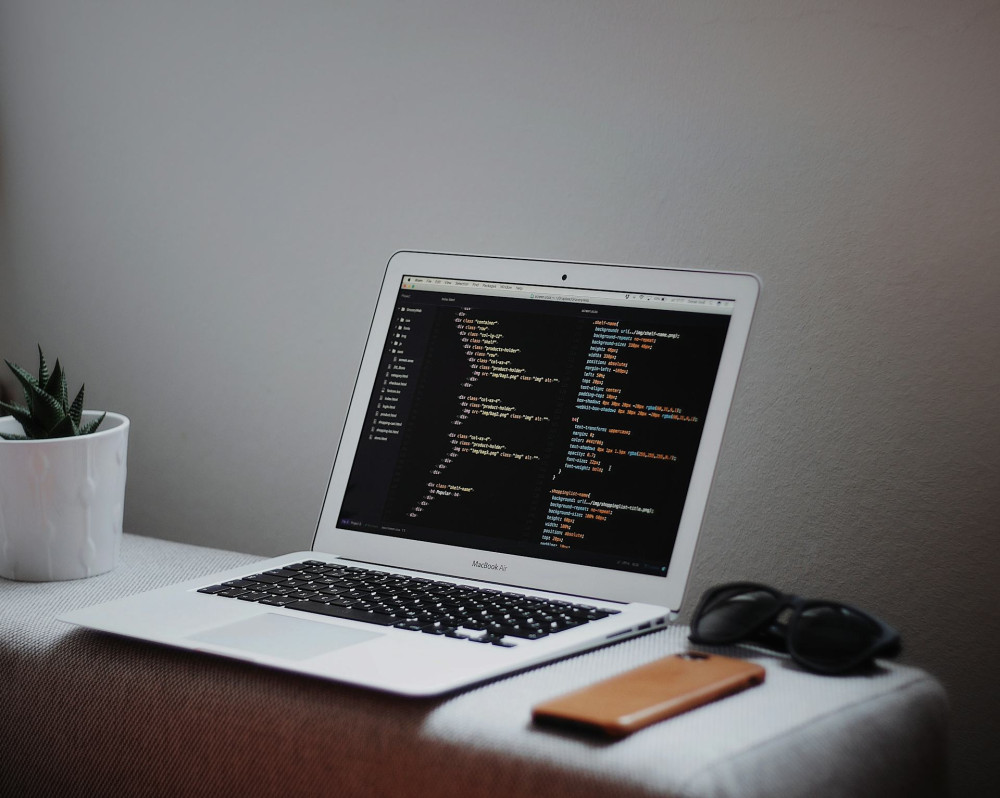
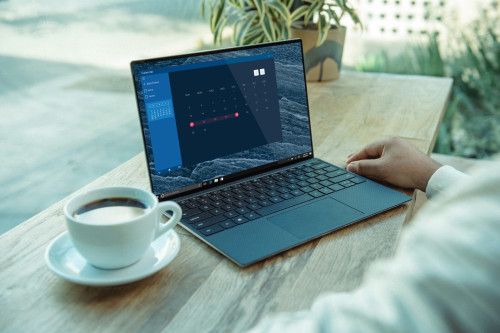
Laptops and tablets have further expanded mobility, allowing workers to carry their entire office with them. It’s now common to see professionals working from home offices, coffee shops, or even RVs as part of the growing “digital nomad” trend.
The Benefits of a Mobile Work Life
The biggest advantage of personal digital devices is flexibility. Many workers find they can plan their days more freely — picking up kids from school, taking midday breaks, or working during their most productive hours. This autonomy can boost both well-being and productivity.
Companies benefit too. They can recruit talent from across the country, reduce office space costs, and build more dynamic, diverse teams. Digital tools have also made it easier to collaborate across time zones, opening new opportunities for innovation and global partnerships.
Læs også:
The Challenge: When Work Moves Into the Living Room
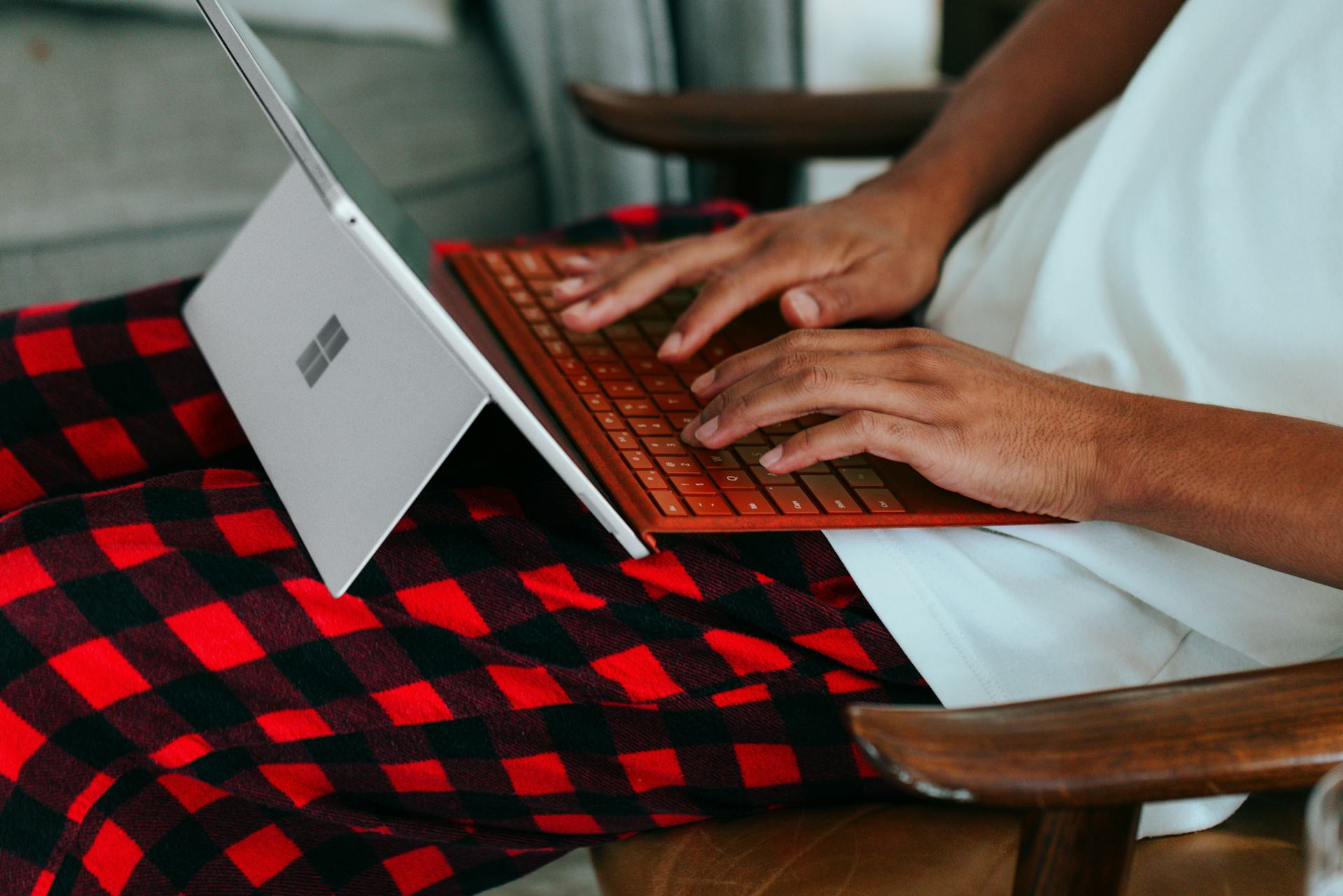
But technological freedom comes with a price. When work is always within reach, it can be hard to disconnect. Many people find themselves checking emails late at night or feeling pressure to respond instantly, even outside of work hours. Over time, this constant connectivity can lead to stress and burnout.
That’s why more organizations are talking about “digital balance” — the idea of using technology intentionally and setting clear boundaries for when we’re working and when we’re not. Some companies now encourage employees to turn off notifications after hours or schedule “no-meeting” days to reduce digital fatigue.
New Norms and New Skills
Modern work requires more than technical know-how. It demands the ability to prioritize, communicate clearly, and stay focused in a world full of pings and pop-ups. Leaders, too, must learn to build trust and cohesion in teams that rarely meet face-to-face.
Many U.S. companies are experimenting with new ways of working — emphasizing results over hours, and flexibility over rigid schedules. The goal is to create a culture where freedom and responsibility go hand in hand.
The Future: Hybrid as the New Normal
The COVID-19 pandemic accelerated a shift that was already underway. Today, hybrid work — a mix of home and office days — has become the new standard across many industries. This model requires thoughtful use of technology, strong communication, and attention to social connection.
Personal digital devices will continue to shape this evolution. They allow us to design work lives that are more adaptable and personalized — but they also challenge us to set limits. In the end, the question isn’t just where we work, but how we use technology to build a healthy, sustainable relationship with work itself.
Læs også: