Secure Digital Payments: How to Make Good Habits Part of Everyday Life

Secure Digital Payments: How to Make Good Habits Part of Everyday Life
Digital payments have become a natural part of daily life in the United States. We tap our phones at the checkout, send money through apps, and shop online with just a few clicks. The convenience is undeniable—but it also calls for awareness. With new opportunities come new risks. Fortunately, a few simple habits can make your digital payments both safe and stress-free.
Know Your Payment Options
Americans today have a wide range of digital payment choices—from Apple Pay and Google Pay to PayPal, Venmo, Zelle, and online banking. Each option has its own features and security measures.
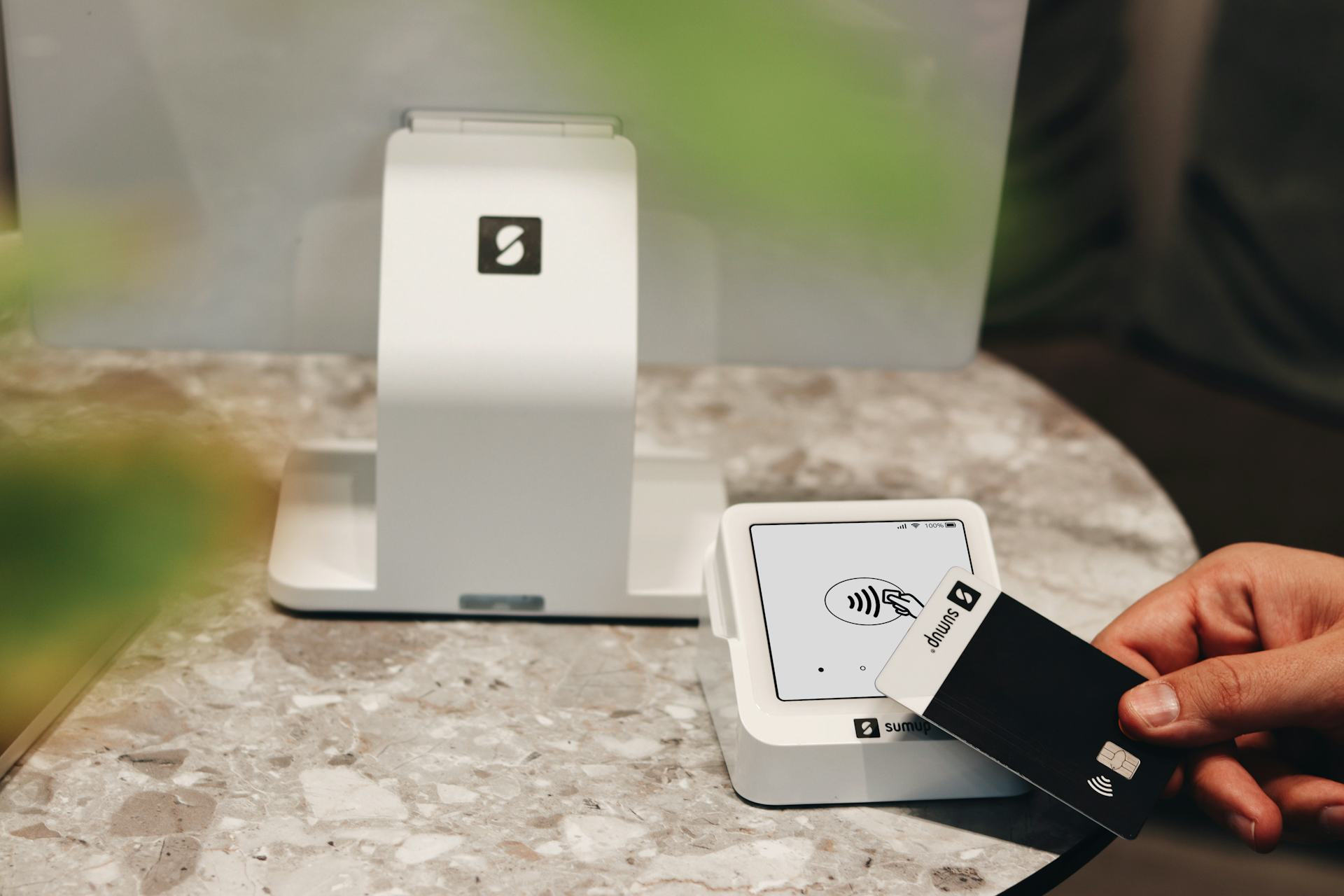
- Mobile payment apps are fast and easy, but make sure your phone is protected with a passcode or biometric lock.
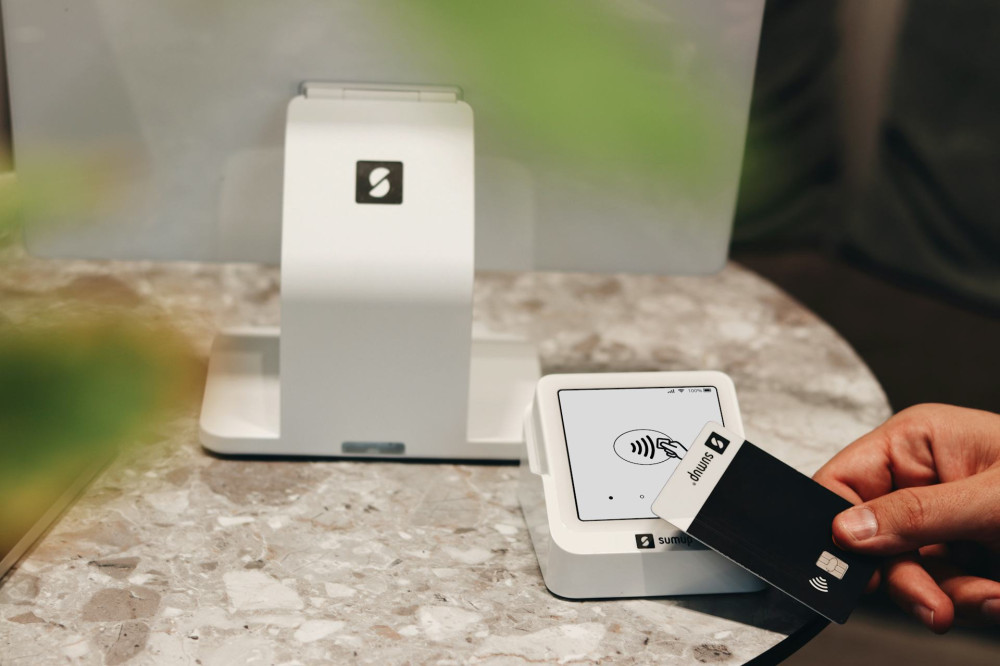
- Contactless cards are convenient, but report and freeze them immediately if they’re lost or stolen.
- Online payments should always be made through secure websites (look for “https”) and, whenever possible, with two-factor authentication.
The better you understand the tools you use, the easier it is to spot when something doesn’t look right.
Use Strong and Unique Passwords
One of the most effective ways to protect your digital payments is by using strong, unique passwords. Avoid reusing the same password across multiple accounts—if one is compromised, others could be at risk.
Consider using a password manager to generate and store complex passwords for you. Combine that with two-factor authentication (2FA), which requires a second step—like a text message, app confirmation, or fingerprint scan—to log in. This extra layer makes it much harder for anyone to access your accounts without permission.
Watch Out for Scams and Phishing
Scammers are getting more sophisticated. They send emails, texts, or messages that look like they’re from your bank, payment app, or even government agencies. Their goal is to trick you into sharing personal information or clicking on fake links.
A few key reminders:
- Your bank or payment provider will never ask for your passwords or card details by email or text.
- Always double-check the sender’s address and the website URL before clicking.
- If something feels off, contact the company directly through their official website or customer service number.
Taking ten seconds to pause and verify can save you from a major financial loss.
Monitor Your Accounts Regularly
Even though most digital payments go through smoothly, it’s a good habit to review your bank and credit card statements regularly. Small, unfamiliar charges can be early signs of fraud. The sooner you catch them, the easier it is to resolve the issue.
Most banks and payment apps now offer transaction alerts—turn them on so you get notified every time money moves. It’s a simple way to stay in control and spot suspicious activity quickly.
Use Secure Networks and Devices
Avoid making payments over public Wi-Fi networks, such as those in cafés, airports, or hotels. These networks can be vulnerable to hackers. Instead, use your mobile data connection or a private, encrypted Wi-Fi network.
Keep your devices up to date, too. Software updates often include important security patches that protect against new threats. This applies to your phone, computer, and any payment apps you use.
Make Security a Habit
Secure digital payments aren’t just about technology—they’re about habits. Once you get used to checking senders, using strong passwords, and monitoring your accounts, these actions become second nature.
Start small: update your passwords, enable two-factor authentication, and stay alert for suspicious messages. Over time, these steps will feel as natural as locking your front door when you leave home.
Læs også:


Confidence in a Digital World
The digital economy is evolving fast, with new payment methods appearing all the time. But the core principles of security remain the same: protect your information, stay skeptical, and keep your systems updated. With the right habits, you can enjoy the convenience of digital payments—without unnecessary worry.
Læs også: