Stay Calm in Turbulent Times – How to Navigate Market Fluctuations Wisely

Stay Calm in Turbulent Times – How to Navigate Market Fluctuations Wisely
When the markets swing and headlines warn of inflation, interest rate hikes, or economic uncertainty, it’s easy to feel anxious. But often, the best response is to stay calm and keep perspective. Market fluctuations are a natural part of the economic cycle, and history shows that patience and discipline tend to pay off. Here’s how you can navigate volatility with confidence and make sound decisions when the market feels unpredictable.
Understand What Market Fluctuations Really Mean
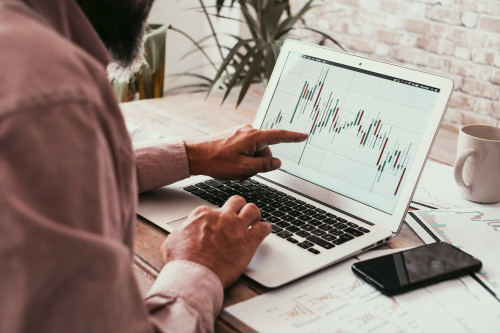
Market volatility simply refers to the ups and downs in the prices of stocks, bonds, or other investments. These movements can be triggered by many factors—economic data, Federal Reserve policy changes, corporate earnings reports, or global events.
While short-term swings can seem dramatic, they rarely signal that the entire system is broken. Markets often react emotionally to news, but over time they tend to stabilize. Recognizing that volatility is normal is the first step toward avoiding panic-driven decisions.
Know Your Time Horizon—and Stick to It
One of the most common mistakes investors make is letting short-term market moves derail a long-term plan. If your investment goals are 10, 20, or even 30 years away—such as saving for retirement—a temporary drop in the market usually has little long-term impact.
Ask yourself: Have my financial goals changed? If not, there’s probably no reason to change your strategy. Reviewing your portfolio once or twice a year is wise—but reacting to every market dip is not.
Diversify to Spread Risk
Diversification is one of the most effective ways to manage market turbulence. By spreading your investments across different asset classes, industries, and regions, you reduce the impact of any single downturn.
- Stocks and bonds often move differently in response to economic shifts. A balanced mix can help smooth returns.
- Global exposure can protect you from localized economic slowdowns.
- Index funds and ETFs offer broad market exposure and reduce the risk of betting on individual companies.
Diversification doesn’t eliminate risk, but it helps prevent large losses from any one area of your portfolio.
Avoid Emotion-Driven Decisions
Fear and uncertainty can lead to impulsive choices—like selling when prices are low or buying when they’re high. These emotional reactions often hurt long-term returns.
Having a clear investment plan can help you stay grounded. Some investors automate their contributions through regular monthly investments, which removes the temptation to time the market and ensures consistent participation, even during downturns.
See Downturns as Opportunities
Market declines can be uncomfortable, but they also create opportunities. Historically, periods of decline have often been followed by recovery and growth. For long-term investors, lower prices can mean a chance to buy quality investments at a discount.
Use these moments to reassess your risk tolerance and ensure your portfolio still aligns with your goals and comfort level. Staying disciplined during downturns can position you for future gains.
Remember: Time Is Your Greatest Ally
In the short term, markets can be unpredictable. But over the long run, they tend to rise as businesses grow, innovation drives progress, and economies expand. The longer your investment horizon, the less those temporary dips matter.
Rather than trying to time the market—an almost impossible task—focus on time in the market. Staying invested allows compounding and growth to work in your favor.
Læs også:



Seek Knowledge and Professional Guidance
If you’re feeling uncertain, consider consulting a financial advisor. A professional can help you evaluate your risk profile, adjust your strategy, and provide perspective when the news cycle feels overwhelming.
It’s also helpful to stay informed through credible financial sources. The more you understand how markets function, the easier it becomes to stay calm when volatility strikes.
Calm, Plan, and Perspective
Navigating market fluctuations isn’t about avoiding risk—it’s about managing it wisely. With a clear plan, a diversified portfolio, and a steady mindset, you can weather the ups and downs with confidence. Remember, the greatest rewards often go to those who stay the course while others react in haste.
Læs også: