Wearables Explained: What Sets Them Apart from Other Gadgets?

Wearables Explained: What Sets Them Apart from Other Gadgets?
They sit on your wrist, in your ear, or even in your clothing — and they’re called wearables. In just a few years, they’ve become a staple for millions of Americans who want to track their health, stay connected, or simply make life a little easier. But what exactly makes wearables different from other gadgets like smartphones, tablets, or laptops? And why have they become so popular? Here’s a closer look at what defines wearable technology and how it’s changing the way we interact with our digital lives.
What Is a Wearable?
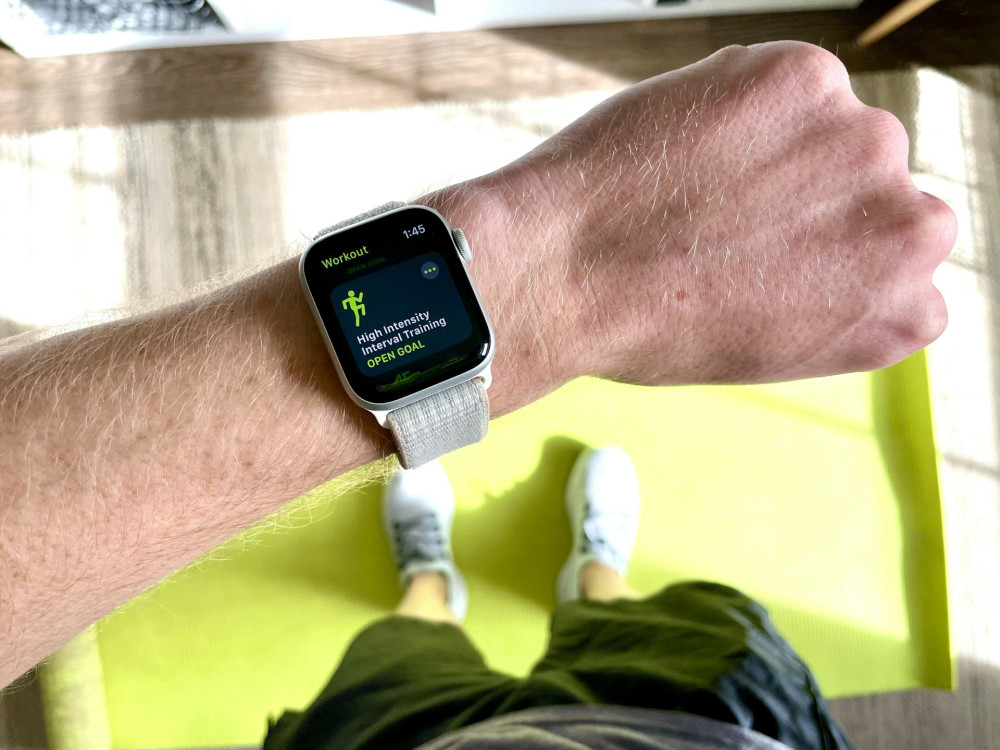
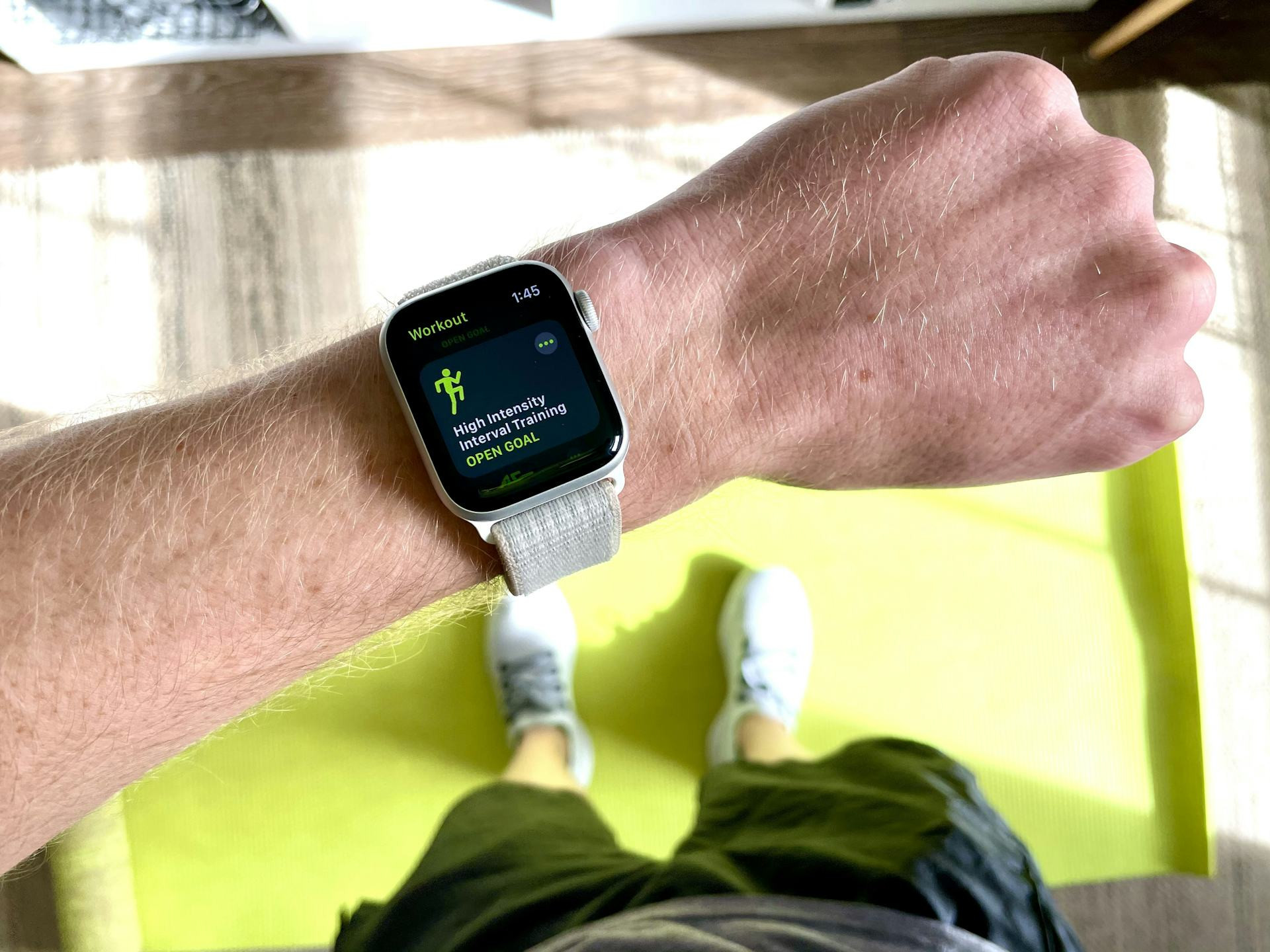
A wearable is an electronic device designed to be worn directly on the body. It often collects data, provides information, or supports specific daily functions. The most familiar examples are smartwatches, fitness trackers, and wireless earbuds, but the category now includes smart rings, glasses, and even clothing with built-in sensors.
What sets wearables apart is their blend of technology and design. They’re meant to be worn all day, seamlessly integrated into your lifestyle, rather than something you pull out of your pocket when needed. In other words, they’re designed to feel like part of you — not just another piece of tech.
Always On, Always Connected
One of the biggest differences between wearables and other gadgets is their constant connection to your body and your data. While a smartphone requires you to open an app or check a screen, a wearable works quietly in the background — tracking your heart rate, steps, sleep, and movement throughout the day.
This continuous data collection provides real-time insights into your habits and health. You can see how active you’ve been, how well you’re sleeping, and even get alerts if your heart rhythm looks irregular. It’s a level of personal feedback that used to require specialized equipment or a doctor’s visit.
Læs også:

Designed to Be Personal and Stylish
Wearables aren’t just about function — they’re also about fashion. Unlike a laptop or tablet, which is primarily a tool, a wearable is a personal accessory that reflects your style and comfort. That’s why tech companies increasingly collaborate with fashion brands, offering customizable bands, colors, and materials.
For many users, a smartwatch or fitness tracker isn’t just a gadget — it’s part of their identity. The design has to feel natural, comfortable, and expressive, blending technology with personal taste.
From Fitness to Health and Safety
Early wearables focused mainly on fitness — counting steps, tracking workouts, and encouraging movement. But the technology has evolved far beyond that. Today’s smartwatches can measure blood oxygen levels, take an ECG, monitor stress, and even detect falls or car crashes, automatically contacting emergency services if needed.
Wearables are also becoming valuable tools in healthcare. Doctors can remotely monitor patients, researchers can collect continuous data for studies, and individuals can take a more active role in managing their well-being. This shift from fitness to health and safety is one of the most significant developments in wearable tech.
Working Together with Other Devices
While wearables can do a lot on their own, they’re most powerful when connected to other devices. They often sync with smartphones or cloud services that analyze and store data, creating a larger ecosystem of connected technology. This integration allows wearables to do more than track health — they can control music, send messages, make payments, or even unlock your car or front door.
In this way, wearables act as a bridge between the physical and digital worlds, making everyday interactions smoother and more intuitive.
Challenges: Privacy and Dependence
With all their benefits, wearables also raise important questions. Because they constantly collect personal data, privacy and security are major concerns. Who has access to your health information? How is it stored and used? These are issues that both consumers and regulators in the U.S. are paying close attention to.
There’s also the question of dependence. Some experts worry that people may become too reliant on their devices — measuring every heartbeat and step instead of simply listening to their bodies. Finding the right balance between helpful insight and over-monitoring is key to using wearables responsibly.
The Future of Wearable Technology
Wearables are still evolving, and the line between technology and the human body is becoming increasingly blurred. Researchers are experimenting with smart contact lenses, implantable sensors, and clothing that can monitor vital signs or adjust temperature automatically. As sensors get smaller and more energy-efficient, wearables will likely become even more integrated — perhaps even invisible.
What truly sets wearables apart from other gadgets isn’t just what they do, but how close they are to us. They’re not just tools we use — they’re devices we wear. And that makes them one of the most personal forms of technology we’ve ever created.
Læs også: